


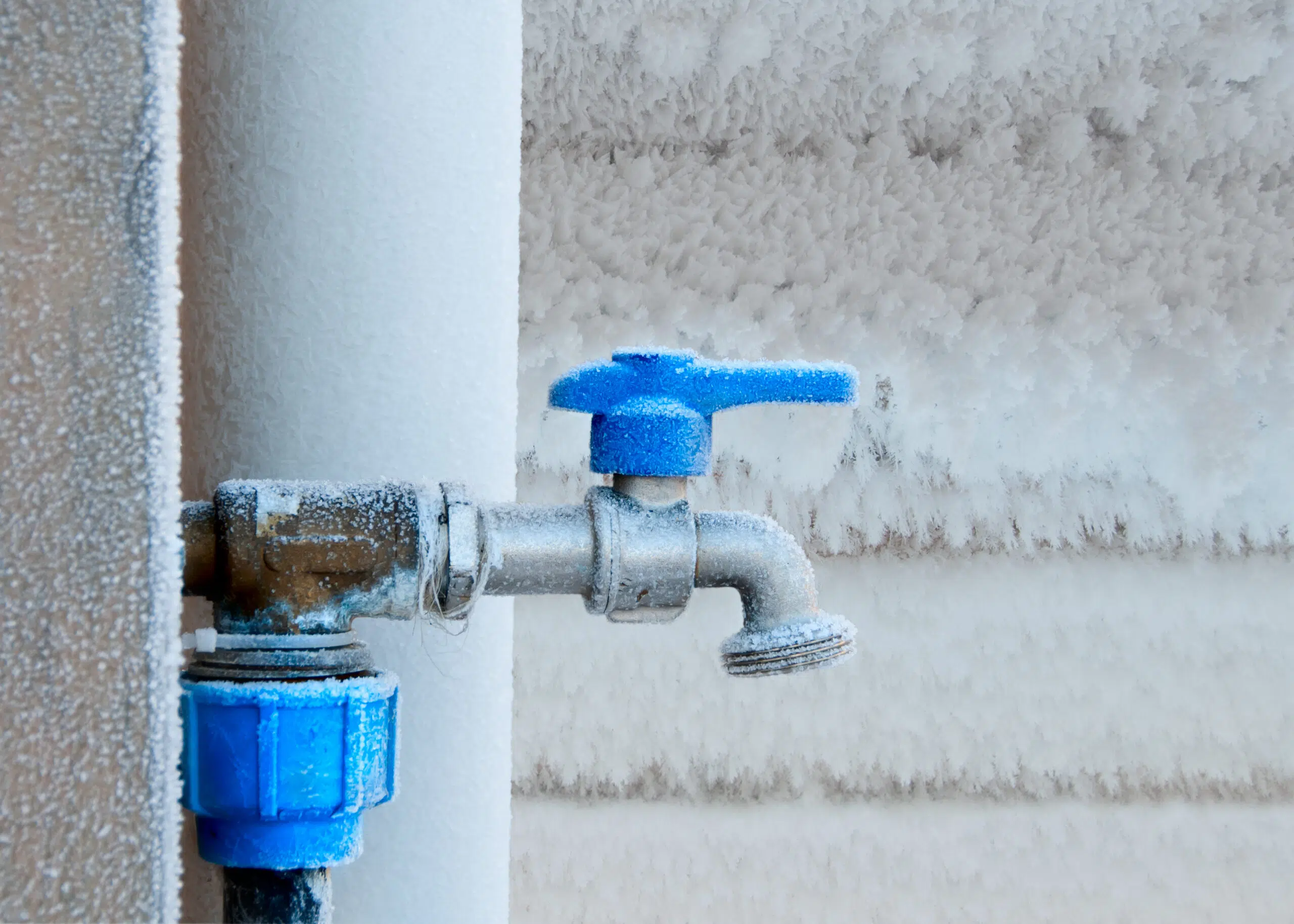
Houstonians are famous for many things: our world-class food scene, our space exploration history, and our absolute refusal to own more than one heavy coat. We are built for 100-degree humidity and afternoon thunderstorms. We are not, however, naturally built for the “deep freeze.”
Wait—is your home already feeling the chill? Before you read any further, book a Houston plumbing expert on House Fly to ensure your pipes are protected before the temperature drops.
When those Arctic fronts sweep down across the Texas plains and settle into the Bayou City, our homes—specifically our plumbing face a trial they weren’t designed for. In a city where pipes are often nestled in crawlspaces or tucked into exterior walls with minimal insulation, a frozen pipe can turn into a burst pipe in a heartbeat. The result? A massive mess, a soggy living room, and repair bills that could make anyone’s eyes water.
The good news is that you don’t have to be a victim of the “Freeze-pocalypse.” Most winter plumbing disasters are preventable if you move fast and follow a few human-friendly rules of physics. Here is everything you need to know to protect your sanctuary before the mercury drops.
Why the Panic Over Frozen Pipes? (The Science of the Burst)
It’s easy to think, “It’s just ice, how much damage can it really do?” It turns out, quite a lot. It’s simple physics: when water freezes, it expands. Unlike most substances that shrink when they get cold, water molecules form a crystalline structure that takes up about 9% more space than liquid water.
That expansion creates a massive amount of internal pressure. Interestingly, the pipe usually doesn’t burst at the point where the ice “plug” is located. Instead, the ice creates a blockage, and the pressure builds up in the liquid water trapped between that ice and the closed faucet. Eventually, the pipe reaches its breaking point and gives way.
Whether you’re in a charming 1940s Heights bungalow or a brand-new build in Katy, a sudden drop in temperature can catch your plumbing off guard. To understand the risk levels for your specific area and how your home’s age might play a factor, you can check the Texas Department of Insurance guide on avoiding frozen pipes.
Your “Right Now” Checklist: 4 Steps to Save Your Sinks
If the local meteorologists start talking about a “Hard Freeze Warning,” don’t wait until your breath is visible in the kitchen. Do these four things immediately:
- Let the Faucets Drip
You don’t need a rushing stream—just a slow, steady drip. Why? It’s not actually about “keeping the water moving” to prevent freezing (though that helps a tiny bit). The real reason is to relieve the pressure. If an ice blockage forms, the open faucet provides an escape route for that built-up pressure, preventing the pipe from exploding. Focus especially on sinks located against outside walls, as these are the most vulnerable.
- Open Your Cabinets
It might look a little cluttered, but pop open the doors under your kitchen and bathroom sinks. Most plumbing is tucked away in dark, cold cabinets where the home’s ambient heat can’t reach. By opening the doors, you allow the warm air from your heater to circulate around those hidden pipes. The American Red Cross recommends this as a primary preventative action during cold snaps.
- Keep the Heat Steady
Now isn’t the time to try to save $10 on your electricity or gas bill by turning the heater down at night. When it’s freezing outside, you want your home’s internal temperature to remain consistent. Setting your thermostat to at least 68°F (20°C) day and night ensures that the internal wall cavities stay warm enough to keep the water liquid.
- Unhook the Hoses and Cover Faucets
This is the one most people forget. Disconnect your garden hoses! If a hose is left attached and full of water, it can freeze and send a pressure wave back into the house, bursting the pipe inside the wall. Once the hose is off, cover your outdoor faucets with foam “socks” or even a thick towel wrapped in duct tape if you’re in a pinch.
Understanding Your Home’s Vulnerabilities
Not all Houston homes are created equal when it comes to the cold. If you live in a house with a “pier and beam” foundation, your pipes are likely hanging out in the open air underneath your floorboards. These are prime targets for freezing. Similarly, many older homes lack the modern insulation standards found in newer suburbs.
If you’re worried about exposed lines, or if you’ve noticed your water pressure acting “funky” as the temperature drops, it’s worth having a professional take a look. A quick inspection can catch a weak spot—like a cracked pipe sleeve or a drafty attic—before it becomes a midnight emergency.
If you’re already seeing low water pressure or hearing strange banging noises (known as “water hammer”), don’t wait for the puddle to appear. You can browse the full list of available home services at House Fly to find a local expert who can help right now.
For those who need a hand with more intensive winterization, such as insulating attic pipes or sealing gaps in your siding, you can find hourly help and handyman services through our latest community guides and service listings.
Skip the “Calling Around” Stress
In a Houston freeze, every plumber in the city gets slammed. We’ve all been there: sitting on hold for 45 minutes just to be told that the next available appointment is in four days. By then, your guest bathroom is a swimming pool.
That is exactly why we built House Fly. We believe that finding a pro should be as easy as ordering a pizza, especially when time is of the essence. Instead of calling ten different numbers and begging for a slot, you can see who is actually nearby and ready to work.
We’ve made it easy to protect your home:
- Instant Booking: Forget the “we’ll get back to you with a quote” runaround. You can book a slot directly on the calendar.
- Upfront Pricing: No “emergency surcharges” that aren’t explained. You’ll know the rates before the pro even pulls into your driveway.
- Live Availability: Our platform shows you who is actually available to help you right now, not next Tuesday.
Final Thoughts: Don’t Play “Chicken” With the Weather
The weather in Texas is unpredictable. We’ve seen 80-degree days followed by 20-degree nights. While we all hope for a mild winter, “hoping” isn’t a great strategy for your plumbing. Taking an hour today to drip your faucets, open your cabinets, and check your outdoor spigots can save you thousands of dollars and a whole lot of heartbreak.
Whether you need a quick pre-winter inspection or an emergency repair because a pipe didn’t make it through the night, head to the House Fly homepage to grab a spot with a local Houston pro before the North wind hits.
Ready to winterize? Book a Houston Home Pro on House Fly Now.


