
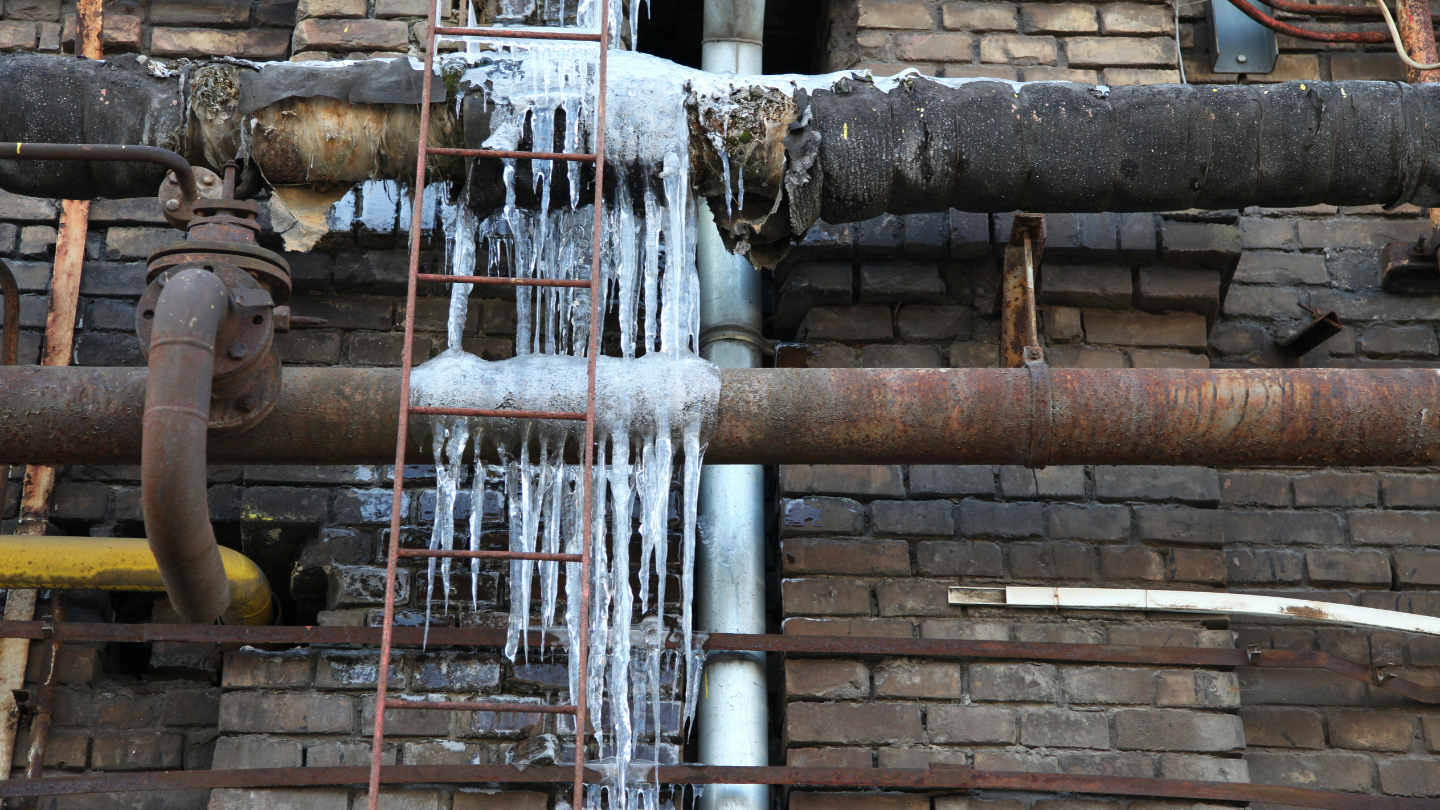
Yes. Drip faucets when the forecast calls for 28°F or lower for several hours, or any freeze if your pipes run through a crawl space or outside wall. Open hot and cold to a slow drip of about 5 to 10 drops a minute. It costs pennies in water, while a burst pipe repair typically runs $500 to $3,000.
| Forecast low | What to drip | Drip rate |
|---|---|---|
| 33°F to 29°F, short dip | Faucets on outside walls if pipes are exposed under the house | 5 drops a minute |
| 28°F to 25°F for 4 hours or more | Every faucet on an outside wall, hot and cold | 5 to 10 drops a minute |
| Below 25°F or a multi day freeze | Every faucet in the house, plus the tub on the coldest side | A thin, steady trickle |
Why does dripping a faucet keep pipes from bursting?
Pipes do not usually burst where the ice forms. When water freezes inside a pipe, it expands and pushes pressure down the line toward the closed faucet. That trapped pressure splits the pipe, often in a spot that never froze at all. An open faucet gives the pressure somewhere to go. Moving water also freezes more slowly than still water, so a steady drip buys time on a cold night.
Which faucets should you drip?
Focus on the faucets fed by the most exposed pipes. You do not need to open every tap in the house for a light freeze.
- Kitchen and bathroom sinks on outside walls. These lines run through the coldest part of the wall.
- The faucet farthest from where water enters the house. Dripping at the end of the line keeps water moving through the whole run.
- Both hot and cold. Hot water lines freeze too, and on a single handle faucet, set the lever in the middle.
- Tub and shower valves on an exterior wall during a hard freeze.
- Not outdoor hose bibs. Shut those off and drain them instead, then add an insulated cover.
Why are New Orleans homes more at risk in a freeze?
Hard freezes are rare in New Orleans, which is exactly the problem. Homes are built for heat and humidity, not cold. Raised cottages and shotgun houses in neighborhoods like Bywater, Treme, the Seventh Ward and Uptown often run supply lines across an open crawl space with little or no insulation. Cold air blows right under the floor. Many older homes also have galvanized or copper lines in thin exterior walls and attics with no heat.
Because a freeze may come once every few years, homeowners forget where the shutoff is or never insulated the pipes in the first place. When the Sewerage and Water Board asks residents to limit dripping during a long freeze to protect system pressure, follow that guidance and drip only the most exposed faucets.
What else should you do the night before a freeze?
Dripping works best with a few quick steps. Most take less than an hour.
- Open cabinet doors under sinks so warm room air reaches the pipes.
- Keep the thermostat at 55°F or higher, even if you leave town.
- Wrap exposed pipes under raised homes with foam sleeves, about $1 to $3 per foot at the hardware store.
- Disconnect garden hoses, shut off and drain outdoor spigots, and cover them.
- Find your main shutoff and make sure it turns before the cold arrives.
- Cover vents on the crawl space skirt if your home has them, then uncover them after the freeze.
For the full cold weather routine, including water heater care and hose bibs, read our guide to winterizing your plumbing and our New Orleans home winterization checklist.
How long should you keep faucets dripping?
Start the drip in the evening before temperatures fall below freezing, and keep it going until the air has stayed above 32°F for a few hours the next day. Pipes in crawl spaces and attics warm up more slowly than the air, so a morning that feels mild can still leave ice inside a line under the house. During a freeze that lasts two or three nights, keep dripping through the daytime too if highs stay near freezing.
Check the drip once before bed and once in the morning. If a faucet that was dripping has stopped, ice may be forming upstream. Open it a little wider and warm the cabinet with a space heater set at a safe distance. If water still does not flow after an hour, treat the line as frozen and follow the steps below.
Does a drip work for a tankless water heater?
A tankless heater mounted on an outside wall is one of the first things to freeze. Most models need power to run their freeze protection, so keep the unit plugged in. If you lose power during a freeze, follow the drain down steps in the owner manual, because a cracked heat exchanger can cost $500 to $1,500 to replace.
How much does dripping cost compared to a burst pipe?
A slow drip uses roughly a few gallons an hour per faucet. Over a two night freeze with four faucets dripping, most homes add only a few dollars to the water bill. Compare that with what a burst pipe typically costs.
| Repair | Typical cost |
|---|---|
| Thawing a frozen pipe with no damage | $150 to $400 |
| Repairing one burst pipe under a raised home | $300 to $800 |
| Burst pipe inside a wall, plus drywall repair | $800 to $2,500 |
| Water damage cleanup after a major burst | $2,000 to $7,000 or more |
| Replacing a split outdoor spigot | $150 to $350 |
Emergency calls during a citywide freeze often cost more and take longer, since every plumber in town is busy. If a pipe opens up in a wall, our drywall repair cost guide shows what the patch work usually adds.
What should you do if a pipe freezes or bursts?
If a faucet slows to nothing on a cold morning, the line is likely frozen. Leave the faucet open, then warm the exposed pipe with a hair dryer or space heater, starting near the faucet and working back. Never use an open flame. If you see water spraying or dripping from a pipe, shut off the main valve right away, turn off the water heater, and open faucets to drain the lines. Then take photos for your records before cleanup.
Need help before or after the cold hits? See your upfront price and book your plumbing service on House Fly. You book at the price shown, House Fly handles the rest, and payment is held until the job is done.
Frequently asked questions
At what temperature should I drip my faucets?
Start dripping when the forecast shows 28°F or lower for four hours or more. If your pipes run under a raised home, through an outside wall or in an unheated attic, drip at 32°F. Wind makes exposed pipes freeze faster, so drip earlier on windy nights.
Should I drip hot or cold water during a freeze?
Drip both. Hot water lines can freeze just like cold ones, and older homes often route both through the same exposed space. On a single handle faucet, set the lever in the middle so both lines move. A slow drip of 5 to 10 drops a minute is enough.
Does dripping faucets really prevent pipes from bursting?
It greatly lowers the risk. An open faucet relieves the pressure that builds when ice forms, and moving water freezes more slowly. Dripping works best combined with insulation on exposed pipes, open sink cabinets and a thermostat set at 55°F or higher.
How much does it cost to fix a burst pipe in New Orleans?
Most homeowners pay $300 to $800 to repair a burst pipe that is easy to reach, such as under a raised home. A pipe inside a wall with drywall repair typically runs $800 to $2,500, and major water damage cleanup can cost $2,000 to $7,000 or more.
