
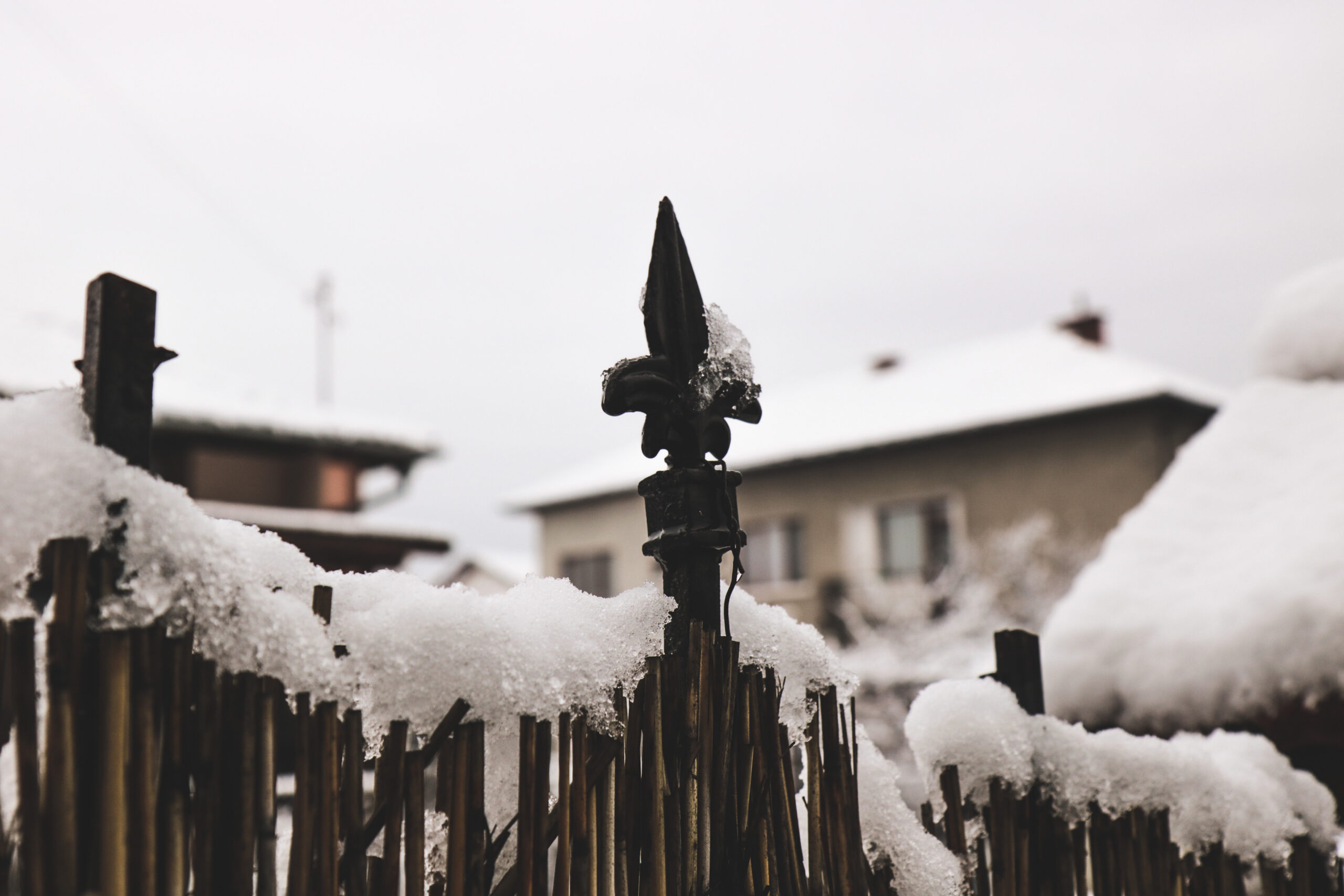
We all know the drill in Houston: the ice melts, the sun comes out, and we suddenly remember why we live here. We breathe a sigh of relief, peel off the layers of wool and flannel, and think we’re finally in the clear. But for your yard and the exterior of your home, the real work is just beginning. In the Bayou City, a hard freeze does a massive number on our tropical leaning lawn care services and can even mess with the structural integrity of your fence in ways you might not notice until the first big spring thunderstorm rolls through.
If you want to avoid a massive replanting bill or a leaning fence that eventually falls over, you need to act now. Assessing the damage while it’s fresh is the difference between a quick fix and a total overhaul.
Don’t let the damage linger until it becomes a disaster. Book a Local Pro on House Fly Now to get your yard, fence, and exterior back in peak condition before the Houston humidity returns.
1. The “Post Freeze” Garden Check
Since most of our favorite Houston plants (from our lush hibiscus to our towering palms) are essentially “vacationing” in a subtropical climate, a deep freeze is a total shock to their system. Here is how to triage your greenery.
- The “Mush” Factor: Walk through your garden and look at the foliage. If your leaves look brown, shriveled, or feel mushy to the touch, that’s a clear sign of cell damage. Essentially, the water inside the plant cells froze, expanded, and burst the cell walls. It’s the botanical version of a burst plumbing services. While it looks devastating, “mushy” doesn’t always mean “dead.”
- The Golden Rule: Wait Before You Cut: It is incredibly tempting to grab the shears and hack everything brown back to the ground immediately. You want your real estate services back, and dead leaves aren’t exactly the “Houston Strong” look. However, you must be careful. Pruning too early can actually stress the plant more. Those dead, brown leaves actually act as a layer of insulation for the living tissue underneath. If another random Houston cold snap hits (and we know they do), that “ugly” dead foliage might be the only thing saving the base of the plant.
For a detailed guide on when to prune specific Texas plants, the Texas A&M AgriLife Extension provides this comprehensive freeze recovery resource.
- Watch the Roots: Just because the top of your ginger or bird of paradise looks like a scene from a post apocalyptic movie doesn’t mean the roots are gone. In many cases, the root system is tucked safely below the frost line and will send up new shoots once the ground warms up. To see how easy it is to get a professional opinion on your garden’s health without the guesswork, visit House Fly’s How It Works page.
2. Is Your Fence Looking a Little… Sideways?
This is the part most homeowners miss. When the moisture in our Houston clay freezes, the ground actually expands and shifts (it’s called “frost heave”). This can push your fence posts out of alignment.
If your gate suddenly won’t latch or you notice a new lean in your fence line, it’s not your imagination. The freeze moves the ground under it. These things don’t usually “settle back” on their own; they usually get worse during the next big rain. If you need a structural fix, you can find specialized home service categories on House Fly to address fencing services and exterior repairs.
Need help with your home project?
Get matched with trusted pros in your area. Upfront pricing, no surprises.
3. Don’t Invite the Pests In
A freeze doesn’t just kill plants; it creates a massive amount of organic debris. When plants die back and the ground cracks from the cold, it creates the perfect “welcome mat” for pests.
The “Pest Highway”
In the days following a freeze, rodents, roaches, and other “unwanted guests” are looking for anywhere warm and dry to hide. A pile of dead, brown brush up against your foundation is basically a luxury hotel for rats. Furthermore, gaps created under your fence or near your siding by the shifting soil give these pests a direct path toward your house.
The American Red Cross notes that clearing debris and checking for exterior damage is a vital step in post storm home recovery. Cleaning up debris now means fewer “unwanted guests” later. If the cleanup is too big to handle alone, you can book hourly help in your area to clear out dead brush and seal up gaps quickly.
4. Hydration is Still Key
It sounds counterintuitive, but your yard might be thirsty. Freezing winds are incredibly drying. “Freeze burn” is often a combination of ice damage and extreme dehydration. Once the ice melts, check your soil. If it’s bone dry, give your surviving plants a deep, slow soak. This helps the soil stabilize and gives the surviving root systems the strength they need to begin the recovery process.
Get Your Curb Appeal Back Without the Headache
Checking off your post freeze “to do” list shouldn’t involve spending hours on the phone chasing down contractors. Whether your lawn needs a total cleanup or your fence needs to be stabilized, House Fly makes it simple.
Whether your lawn needs a total debris haul off or your fence needs to be stabilized and leveled again, House Fly makes the process human friendly and lightning fast.
- Know the Price Upfront: No waiting around for a “custom estimate” that takes a week to arrive in your inbox. You can browse all available House Fly services to see clear pricing before you book.
- Pick Your Time: Choose the day and time that works for you and House Fly sends a pro who is free then.
- Houston Experts: We send you a trusted local pro who knows exactly how to handle our specific soil and climate.
Don’t let small freeze damage turn into a massive, expensive springtime project. Head over to housefly.com today, book your service in a few clicks, and let the pros get your yard back in shape while you enjoy the return of the Texas sun.
Ready to repair the damage? Book a Local Pro on House Fly Now