

Houston’s Garage Conversion Boom: How to Add 400+ Sq Ft Without Moving
Houston garage conversions add 400+ square feet without the cost of moving. With home prices climbing, converting your garage into living space is one of the smartest investments you can make in 2026.
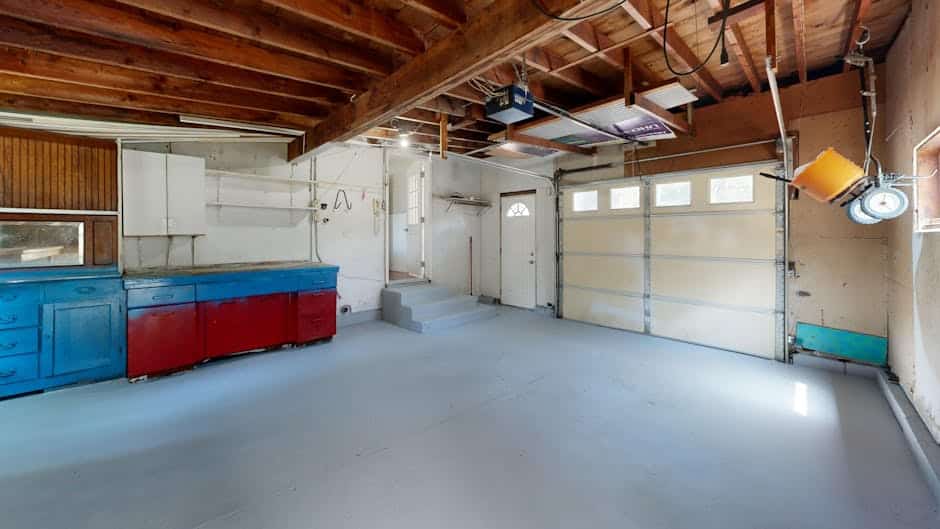
A standard two car garage is roughly 400 to 600 square feet. In a city where home prices have climbed steadily and inventory remains tight, that is valuable real estate just sitting there holding your lawn equipment and holiday decorations.
Why Houston Is Perfect for Garage Conversions
Several factors make Houston ideal for this trend. Our relatively mild winters mean detached garages are less critical for vehicle protection. The city’s lack of traditional zoning creates flexibility that other major metros cannot match. And Houston’s sprawling nature means many homes have ample driveway space for parking even after conversion.
Neighborhoods like West University, Bellaire, and parts of the Energy Corridor are seeing a surge in garage to living space projects. Homeowners are creating home offices, rental units, guest suites, and expanded family rooms without the cost and hassle of moving.
What You Can Create With 400 Square Feet
A garage conversion is not just about adding space. It is about adding the right space. Here is what Houston homeowners are building:
- Home offices: With remote work here to stay, a dedicated workspace separate from the main house is invaluable
- Guest suites: Perfect for visiting family or as an Airbnb income source
- Rental units: Houston’s strong rental market makes garage apartments financially attractive
- Teen hangouts: Give older kids space without giving up your living room
- Home gyms: Skip the membership and commute
- Creative studios: Art, music, woodworking, whatever your passion requires
The Essential Elements of a Garage Conversion
Converting a garage is more involved than throwing down some carpet and calling it a room. Here are the key components you will need professional help with:
1. Electrical Work
Most garages have minimal electrical service, maybe a single outlet and an overhead light. A livable space needs proper wiring for outlets, lighting, and climate control. This requires a licensed electrician who understands Houston’s codes and can pull the necessary permits.
2. Climate Control
Houston summers are no joke. A converted garage needs proper HVAC, whether that means extending your home’s existing system or installing a mini split unit. This is not a place to cut corners; a poorly cooled space will be unusable for months each year.
3. Flooring
Concrete garage floors need more than just carpet. Proper insulation, moisture barriers, and finished flooring are essential. Luxury vinyl plank has become the top choice for Houston garage conversions because it handles humidity well and stands up to heavy use.
4. Insulation and Drywall
Garages are not built for comfort. Proper insulation in walls and ceilings is essential for both temperature control and soundproofing. Quality drywall work, including texture matching to your existing home, makes the space feel intentional, not converted.
5. Windows and Doors
Natural light transforms a garage from a cave into a room. Adding windows requires structural modifications that need professional expertise. Similarly, replacing the garage door with a proper entry door and wall requires careful framing and weatherproofing.
Ready to convert? Book handyman services, electrical services, and flooring professionals with upfront pricing on House Fly. See our Warm Modern Design Guide for interior inspiration.
Understanding the Costs
Typical Houston Garage Conversion Costs (2026):
- Basic conversion: $15,000 to $25,000 (insulation, drywall, flooring, paint)
- Mid range conversion: $25,000 to $40,000 (adds electrical, mini split HVAC, windows)
- Full conversion: $40,000 to $60,000 (includes bathroom, kitchenette, high end finishes)
Compare that to the cost of moving to gain 400 square feet, and the math becomes clear.
Navigating Permits and Codes in Houston
Houston’s lack of traditional zoning does not mean a free for all. The city has building codes, and garage conversions require permits. Here is what you need to know:
- Permits are required for electrical, plumbing, and structural work
- Converted spaces must meet residential building codes for safety
- Some deed restrictions and HOAs may limit or prohibit garage conversions
- If creating a rental unit, additional requirements for separate utilities and egress apply
- Property tax implications vary; consult with the Harris County Appraisal District
A qualified handyman or general contractor familiar with Houston’s permitting process can navigate this for you. Do not skip permits; unpermitted work can cause major headaches when you sell.
Finding the Right Professionals
A garage conversion requires multiple trades working together. You will need:
- A handyman or general contractor to coordinate the project
- A licensed electrician for all electrical work
- A flooring specialist for proper installation
- Possibly a plumber if adding a bathroom or kitchenette
- A painter to finish the space
The key is finding professionals who understand the unique challenges of garage conversions. Houston’s humidity, clay soil, and specific building codes require local expertise.
The Return on Investment
While a garage conversion adds usable square footage, it is important to understand the value proposition. Finished garage space typically does not count toward official square footage in the same way as original living space. However, the functional value is real.
If you are creating a rental unit, the income potential can pay back your investment in just a few years. Houston’s strong rental market, especially in desirable neighborhoods like The Heights and Rice Military, makes garage apartments particularly lucrative.
Even without rental income, the lifestyle improvement of having a dedicated home office, gym, or guest space adds daily value that is hard to quantify.
Is a Garage Conversion Right for You?
Before you start knocking down walls, consider:
- Do you have alternative parking solutions?
- Will the conversion fit your neighborhood’s character?
- Are you prepared for the disruption of construction?
- Have you checked deed restrictions and HOA rules?
- Will the investment pay off for your specific situation?
For many Houston homeowners, the answer is a resounding yes. In a city where space is at a premium and moving costs keep climbing, converting that underutilized garage is one of the smartest home improvements you can make.
Sources: Houston Permitting Center, Remodeling Magazine Cost vs Value Report, Harris County Appraisal District
New Orleans Humidity & Home FAQ
How much does a garage conversion cost in Houston?
Garage conversions in Houston typically cost between $15,000 and $60,000 depending on the scope. Basic conversions with insulation and flooring start around $15,000, while full conversions with bathroom and kitchenette can reach $60,000.
Do I need a permit to convert my garage in Houston?
Yes, Houston requires permits for electrical, plumbing, and structural work in garage conversions. While Houston lacks traditional zoning, building codes still apply. Always check with the Houston Permitting Center and your HOA before starting.
Will a garage conversion increase my property taxes in Houston?
Garage conversions may increase your property taxes, but the impact varies. The Harris County Appraisal District assesses based on finished square footage and functionality. Consult with them before converting to understand potential tax implications.
Can I rent out my converted garage in Houston?
Yes, many Houston homeowners rent converted garages as accessory dwelling units. However, rental units have additional requirements including separate utilities, proper egress, and compliance with building codes. Check local regulations before creating a rental unit.
Ready to Expand Your Space?
Browse upfront prices from Houston pros for garage conversions, electrical, flooring, and more.
