
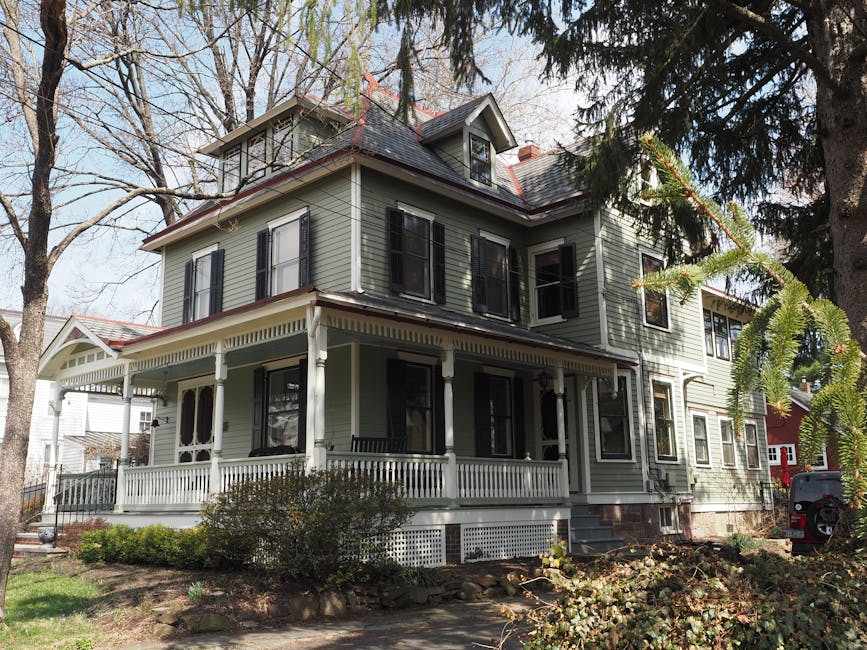

Renovating Historic New Orleans Homes: Modern Comfort Without Losing Character
Renovating historic New Orleans homes requires balancing modern comfort with preservation. Whether you own a Garden District Victorian or French Quarter cottage, here’s how to update your property while maintaining its irreplaceable character and charm.
The good news? You do not have to choose between functional modern living and historic charm. With the right approach and skilled professionals who understand New Orleans architecture, you can have central air conditioning, updated electrical systems, and beautiful modern kitchens while maintaining the architectural details that make your home special.
Understanding What Makes Your Home Historic
Before swinging a hammer, understand what you are working with. New Orleans has one of the highest concentrations of historic architecture in the United States, and different neighborhoods have different architectural traditions. Garden District homes often feature Greek Revival or Italianate styles with elaborate ironwork and grand proportions. French Quarter buildings reflect Spanish Colonial influences with courtyards and balconies. Uptown showcases Victorian grandeur, while the Marigny is known for Creole cottages and colorful shotguns.
Each style has defining characteristics worth preserving: original hardwood floors, decorative moldings, mantels, transom windows, pocket doors, and plasterwork. These features are not just decorative; they are part of what gives New Orleans homes their soul and their value. The National Park Service maintains guidelines for historic preservation that can help you understand what elements are most important to retain.
Flooring: Honoring the Past, Ensuring the Future
Original hardwood floors are one of the most valuable features of historic New Orleans homes. Wide plank pine, oak, or cypress floors tell the story of the home’s construction and add authenticity that reproductions cannot match. But after 100+ years, these floors often need attention.
Professional flooring restoration can bring original hardwood back to life. The process involves careful sanding, repair of damaged boards, and finishing with appropriate sealants. Modern water based finishes offer durability while maintaining the natural look of historic wood. In many cases, restoration is actually more affordable than replacement, and it preserves a key historic feature.
When original floors are beyond saving, or in areas like kitchens where modern performance matters, new flooring should complement rather than compete with historic character. Reclaimed wood from other New Orleans buildings, luxury vinyl plank that mimics historic patterns, or tile appropriate to the home’s period can all work when chosen thoughtfully.
Flooring upgrades consistently deliver strong ROI in historic homes. Buyers specifically seek out properties with restored original floors, and appraisers value these features. In the Garden District and Uptown, where buyers expect period details, flooring can make or break a sale.
Renovating your historic home? Browse flooring restoration, electrical services, and painting services on House Fly. See our Hurricane Prep Guide for maintenance tips.
Electrical: Safety First, History Second
Here is where renovation gets serious. Many historic New Orleans homes still have knob and tube wiring or early electrical systems that are simply not safe for modern living. Insurance companies often refuse to cover homes with outdated electrical, and the fire risk is real.
Updating electrical in a historic home requires specialized expertise. You need electricians who understand how to run modern wiring without damaging plaster walls, historic moldings, or original features. The goal is safety and functionality without visible disruption.
Key electrical updates for historic homes:
- Complete rewiring with modern, code compliant systems
- Updated electrical panels with adequate capacity for modern appliances
- GFCI outlets in kitchens, bathrooms, and exterior locations
- Three prong outlets throughout (while preserving original faceplates where possible)
- Updated lighting that complements period architecture
- Smart home integration that does not compromise historic aesthetics
Pro Tip: In many historic New Orleans homes, original switch plates and outlet covers can be reused with modern wiring. This small detail maintains authenticity while ensuring safety.
Painting: Color That Respects History
Paint is where many historic renovations go wrong. Modern color palettes often clash with period architecture, and cheap paint jobs obscure the details that make historic homes special. Professional painters who understand historic properties are worth the investment.
For New Orleans historic homes, consider:
- Period appropriate colors: Research original color schemes for your home’s style and era
- High quality paints: Historic homes deserve products that last and protect
- Proper preparation: Old paint layers may contain lead; professional handling is essential
- Detail work: Multiple colors highlighting architectural features like trim, shutters, and moldings
- Exterior durability: New Orleans weather demands paints that can handle humidity and sun
The Garden District is famous for its painted lady Victorians, while the French Quarter favors warm, earthy tones. Uptown homes often showcase more formal, traditional palettes. Understanding your neighborhood’s character helps guide color choices.
The Handyman Touch: Details Matter
Historic homes are full of small details that need regular attention. A skilled handyman who appreciates historic properties can address:
- Window restoration and weatherstripping
- Door repair and hardware restoration
- Plaster repair using traditional techniques
- Crown molding and trim repair
- Porch and balcony maintenance
- Ironwork cleaning and preservation
- Shutters repair and restoration
These details are labor intensive but essential. A restored original window with proper weatherstripping performs better than a replacement and maintains your home’s character. Original doors, properly hung and maintained, are irreplaceable.
Navigating Permits and Historic Districts
New Orleans takes its historic architecture seriously. Many neighborhoods have historic district designations that regulate exterior changes. The Historic District Landmarks Commission (HDLC) oversees work in designated areas, and their approval may be required for:
- Exterior painting (especially color changes)
- Window replacement or modification
- Door replacement
- Roofing changes
- Additions or exterior alterations
- Demolition of any kind
Working with contractors familiar with HDLC processes saves time and prevents costly mistakes. They know what requires approval, how to prepare applications, and how to navigate the review process.
The Value of Doing It Right
Historic home renovation in New Orleans is not the place to cut corners. Done correctly, these improvements add significant value. Garden District homes with restored original features command premium prices. Uptown properties with updated systems sell faster. Even modest renovations in the Marigny or Bywater see strong returns as these neighborhoods continue to appreciate.
Beyond financial returns, there is the satisfaction of preserving a piece of New Orleans history. These homes have survived hurricanes, floods, and centuries of change. Your careful renovation ensures they will continue telling their stories for generations to come.
Sources: National Park Service Preservation Briefs, New Orleans Historic District Landmarks Commission, Preservation Resource Center of New Orleans
New Orleans Historic Home Renovation FAQ
How much does it cost to renovate a historic home in New Orleans?
Historic home renovations in New Orleans typically cost $50 to $150 per square foot depending on scope. Electrical updates ($8,000 to $15,000), flooring restoration ($3,000 to $8,000), and painting ($4,000 to $10,000) are common investments. Working with HDLC approved contractors ensures compliance with historic district requirements.
Do I need permits to renovate a historic home in New Orleans?
Yes, most exterior work in historic districts requires HDLC approval. This includes painting color changes, window replacement, door modifications, roofing changes, and additions. Interior work generally doesn’t require HDLC approval unless it affects exterior appearance. Always check with the Historic District Landmarks Commission before starting work.
Should I restore or replace original hardwood floors?
Restoration is usually preferred for historic homes. Original wide plank pine, oak, or cypress floors add significant value and authenticity. Professional refinishing ($3 to $5 per square foot) often costs less than replacement while preserving a key historic feature that buyers specifically seek.
How do I find contractors experienced with historic homes?
Look for contractors familiar with New Orleans historic architecture and HDLC processes. They should understand how to run modern wiring without damaging plaster walls, preserve original moldings, and navigate historic district requirements. New Orleans renovation prep starts here. House Fly sends out trusted local electricians, painters, and handymen from the Garden District to the Marigny.
Ready to Renovate Your Historic Home?
Browse upfront prices from New Orleans flooring, electrical, painting, and handyman professionals.