

Dallas Smart Home Tech Installation: Living in the Future Today
Walking through a Highland Park estate or a sleek Uptown loft, you will notice something that sets these homes apart. Lights adjust automatically as the sun sets. The thermostat knows your schedule before you do. Security cameras send alerts to your phone before you even realize someone is at the door.
But installing smart home systems is not as simple as unboxing a few gadgets. True smart home integration requires professional expertise, especially in Dallas homes that range from historic Swiss Avenue bungalows to modern Deep Ellum condos. Getting it right means understanding your home’s infrastructure, your family’s needs, and the ecosystem that will serve you best.
Starting with the Foundation: Smart Home Hubs
Every smart home needs a brain, and that brain is your hub. This central device coordinates communication between all your smart components, ensuring they work together rather than operating as isolated gadgets.
Major Ecosystem Options
Amazon Alexa, Google Home, and Apple HomeKit represent the three major ecosystems, each with strengths and limitations. Alexa offers the broadest device compatibility and excels at voice control. Google Home integrates beautifully with Google services and provides superior AI responses. HomeKit prioritizes privacy and security, with all processing happening on your devices rather than in the cloud.
Professional Grade Hubs
For Dallas homeowners, professional installers often recommend hybrid approaches. A professional grade hub like Control4 or Savant can integrate devices from multiple ecosystems while providing more robust automation capabilities. These systems cost $2,000 to $10,000+ upfront but deliver superior reliability and customization.
Hub Placement and Setup
Professional smart home installation ensures your hub is positioned optimally for wireless coverage, properly integrated with your network infrastructure, and configured for the automation routines that matter most to your family.
Climate Control: Smart Thermostats and HVAC Integration
Dallas summers do not forgive inefficient cooling. A smart thermostat pays for itself quickly in Texas heat by learning your patterns and optimizing energy use.
Smart Thermostat Benefits
Smart HVAC systems integrate with your thermostat to provide zone based climate control. Different areas of your home can maintain different temperatures based on occupancy and time of day. The upstairs bedrooms stay cool for sleeping while the downstairs living areas reduce cooling during work hours.
Weather Integration
Integration with weather services allows proactive adjustments. When a Dallas cold front blows through, your system can preemptively switch to heating mode. During summer heat waves, it can start cooling the house before peak electricity rates kick in. Smart climate control can reduce energy bills by 10 to 15% annually.
Air Quality Monitoring
Air quality monitoring adds another layer of sophistication. Smart systems track humidity, particulate matter, and volatile organic compounds. They can activate air purifiers, adjust ventilation, or alert you when filter changes are needed. For families in Lakewood or Forest Hills dealing with Texas allergies, this capability transforms quality of life.
Security and Access Control
Smart security systems have revolutionized home protection. Video doorbells let you see and speak with visitors from anywhere. Smart locks eliminate the need for keys while providing detailed access logs.
Professional Installation Matters
But professional installation makes the difference between a security system and security theater. Camera placement requires understanding sight lines, lighting conditions, and potential blind spots. Network security ensures your cameras cannot be hacked by intruders. Integration with monitoring services provides professional response when alarms trigger.
Discrete Security Solutions
For University Park and Highland Park homeowners, discrete installation preserves aesthetic appeal while maintaining security. Cameras can be hidden in architectural features. Sensors can be recessed into door frames. The best security systems are the ones visitors never notice.
Advanced Access Control
Access control extends beyond traditional security. Smart garage door openers let you grant temporary access to delivery drivers. Smart gate controllers allow service providers entry without you being present. Digital keys can be issued to housekeepers, dog walkers, or temporary guests and revoked instantly when no longer needed.
Lighting and Ambiance
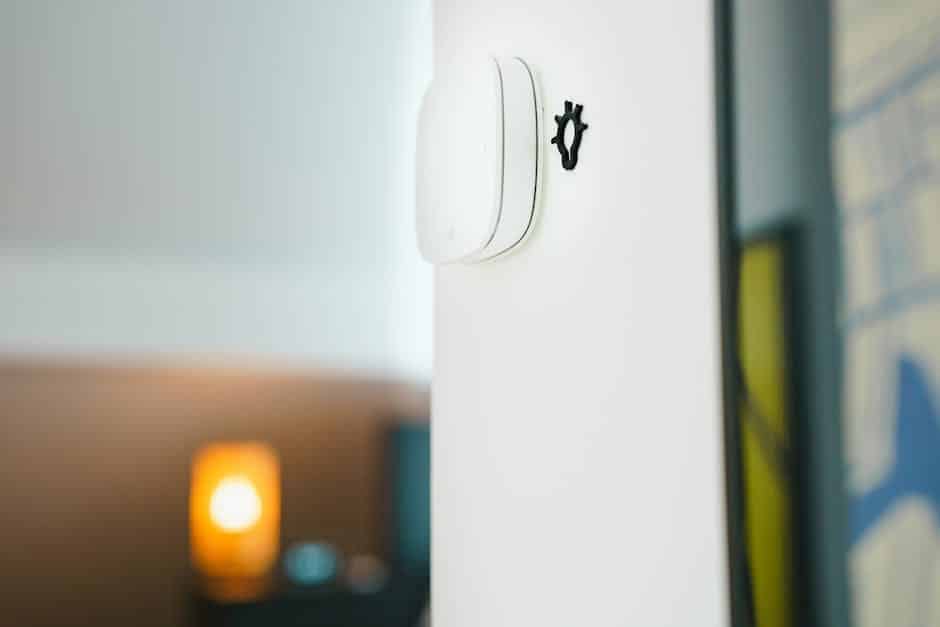
Smart lighting transforms how you experience your home. Beyond simple on and off control, modern systems offer dimming, color temperature adjustment, and full color spectrum control.
Automated Lighting Benefits
Automated lighting schedules mimic occupancy when you are away, enhancing security. Motion activated lights provide safety and convenience for nighttime navigation. Geofencing can turn lights on as you approach your home, ensuring you never walk into a dark house again.
Natural Light Integration
Integration with natural light sensors allows smart adjustments throughout the day. As afternoon sun streams through west facing windows, shades can automatically lower and artificial lights can compensate. This balance of natural and artificial light optimizes both comfort and energy efficiency.
Custom Lighting Scenes
Professional installation ensures proper wiring for smart switches, optimal placement of wireless bulbs, and programming of scenes that match your lifestyle. A “Movie Night” scene might dim living room lights, turn off hallway fixtures, and activate accent lighting behind the television.
Entertainment Systems
Whole home audio and video distribution represents the pinnacle of smart home entertainment. Music follows you from room to room. Video content streams to any screen in the house.
Hidden Component Design
Professional installers design systems that hide components while delivering exceptional performance. Speakers built into walls and ceilings disappear into your decor. Equipment racks live in closets, not living rooms. Universal remotes or smartphone apps replace the clutter of multiple controllers.
Sports and Streaming Integration
For Dallas sports fans, integration with streaming services ensures you never miss a Cowboys, Mavericks, or Rangers game. Multiview capabilities let you watch multiple games simultaneously. Automated routines can dim lights, adjust climate, and queue up your preferred pregame content with a single command.
Smart Home Costs and ROI
Smart home investments vary widely based on scope and complexity. Entry level systems start around $1,500 to $3,000 for basic automation, lighting, and security. Comprehensive whole home systems range from $10,000 to $50,000+ for high end installations with integrated audio, video, climate, and security.
The return on investment comes through energy savings, increased security, convenience, and home value. Smart homes typically sell faster and at higher prices than comparable homes without smart features.
Smart Home Jobs That Need a Pro
DIY smart home products have improved dramatically, but professional installation remains essential for comprehensive systems. Electricians ensure safe wiring for smart switches and outlets. Network specialists optimize WiFi coverage for device density. System integrators program automation that actually improves your life rather than complicating it.
The investment pays dividends in reliability, functionality, and support. When something stops working, you have someone to call. When you want to expand your system, you have expertise to guide decisions. When you sell your home, professionally installed systems add real value.
Ready to bring your Dallas home into the future? Connect with smart home professionals who understand Texas homes and modern technology.
Installing smart home tech in Dallas? House Fly books local installers from Plano to Oak Cliff.
Related Articles:
External Resources:
- CEDIA for smart home industry standards and professional certification
- Energy.gov Smart Home Guide for energy efficiency tips and rebates
- Consumer Reports Smart Home Guide for unbiased product reviews
Dallas Smart Home FAQ
How much does professional smart home installation cost in Dallas?
Professional smart home installation in Dallas ranges from $1,500 for basic systems to $50,000+ for comprehensive whole home automation. Most homeowners spend between $5,000 and $15,000 for integrated lighting, security, climate control, and entertainment systems.
Which smart home ecosystem is best for Dallas homes?
The best ecosystem depends on your needs. Alexa offers the widest device compatibility, Google Home provides superior AI and search integration, and HomeKit prioritizes privacy. Many Dallas homeowners choose hybrid systems using professional hubs like Control4 that integrate multiple platforms.
Can smart home technology reduce my energy bills?
Yes, smart thermostats and lighting can reduce energy consumption by 10 to 15% annually. Smart climate control optimizes heating and cooling schedules, while automated lighting ensures electricity is not wasted on unoccupied rooms. In Texas heat, these savings add up quickly.
Do I need professional installation or can I DIY?
DIY works for basic smart speakers, plugs, and bulbs. However, integrated whole home systems require professional installation for safety, reliability, and proper programming. Electrical work, network configuration, and system integration are best left to professionals.
Will a smart home system increase my property value?
Yes, professionally installed smart home systems typically increase property value and help homes sell faster. Buyers increasingly expect smart features, and integrated systems are viewed as premium upgrades similar to renovated kitchens or outdoor living spaces.
