
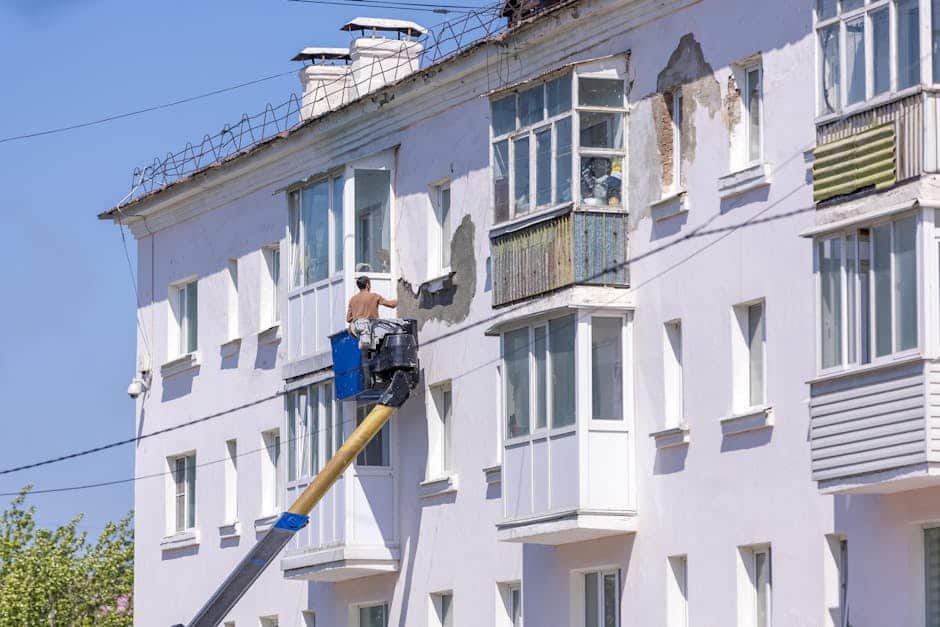

Miami Balcony Restoration and Repair
Your Miami balcony is more than an outdoor extension; it is your private viewing platform for Biscayne Bay sunrises, South Beach people watching, and Coral Gables sunsets. For condo owners in Brickell, South Beach, and Coral Gables, a well maintained balcony significantly enhances quality of life and property value.
Salt air, intense UV exposure, and tropical humidity create a perfect storm of deterioration for balcony materials. Concrete spalls, metal corrodes, wood rots, and waterproofing fails. What starts as cosmetic blemishes can progress to structural problems that compromise safety and lead to expensive repairs. Proactive restoration protects your investment and ensures your balcony remains the retreat it should be.
Assessing Balcony Condition
Before planning any restoration work, conduct a thorough assessment of your balcony’s current condition. This evaluation identifies problems and helps prioritize repairs.
Concrete Damage Signs
Concrete balconies, common in Miami high rises, show distress through cracking, spalling, and staining. Hairline cracks are normal, but wider cracks indicate structural movement or reinforcement corrosion. Spalling, where concrete chips away exposing rusted rebar, is a serious problem requiring immediate attention. Staining, especially rust colored streaks, suggests water infiltration and metal corrosion within the slab.
Waterproofing Failure Indicators
Waterproofing failure manifests as leaks into the unit below or interior water damage. On your balcony, look for ponding water that does not drain properly, cracks in the walking surface, and deteriorated sealants at joints and edges. Water infiltration is the primary cause of balcony deterioration in Miami’s wet climate; addressing it promptly prevents more extensive damage.
Railing and Guard Inspection
Railings and guards must be secure and code compliant. Shake railings firmly to test stability. Check for corrosion, loose connections, and damaged components. Building codes require specific heights and strength for balcony railings; older buildings may not meet current standards. A professional inspection can identify code deficiencies and safety hazards.
Finish Surface Evaluation
Finish surfaces including tile, pavers, or coatings show wear through cracking, lifting, and discoloration. These surfaces protect the waterproofing membrane beneath; when they fail, the entire balcony system becomes vulnerable. Addressing surface problems early prevents damage to underlying layers.
Concrete Repair and Restoration
Concrete balconies require specialized repair techniques to address deterioration and extend service life.
Spall Repair Process
Spall repair involves removing loose concrete, cleaning exposed rebar, applying corrosion inhibitors, and patching with repair mortars. This work restores structural integrity and prevents further deterioration. Proper surface preparation and material selection are critical; incompatible repair materials fail prematurely, requiring rework.
Crack Repair Methods
Crack repair addresses both structural and waterproofing concerns. Epoxy injection restores structural continuity in structural cracks. Flexible sealants accommodate movement in nonstructural cracks while preventing water infiltration. The appropriate repair depends on crack cause, width, and location.
Concrete Sealing Protection
Concrete sealing protects repaired and sound concrete from future deterioration. Penetrating sealers fill pores and repel water without changing appearance. Film forming sealers create protective layers that may change concrete color or sheen. In Miami’s climate, regular reapplication of sealers extends concrete life significantly.
Structural Assessment
Structural assessment by a licensed engineer may be necessary for significantly deteriorated balconies. Engineers evaluate load capacity, identify underlying problems, and design appropriate repairs. This professional involvement adds cost but ensures repairs address root causes rather than symptoms.
Waterproofing Systems
Effective waterproofing is the key to balcony longevity in Miami’s wet climate. Multiple system types offer protection at various price points and lifespans.
Membrane Systems
Membrane systems provide the most reliable waterproofing. These continuous sheets of modified bitumen, PVC, or TPO seal the entire balcony surface. Installation requires removing existing finishes, preparing the substrate, and applying the membrane with proper detailing at edges and penetrations. Membrane systems last 15 to 20 years with proper maintenance but require significant upfront investment.
Fluid Applied Waterproofing
Fluid applied waterproofing offers easier application and seamless coverage. These coatings brush or roll onto the surface, curing to form flexible, waterproof membranes. They accommodate complex shapes and details better than sheet membranes but may not last as long. Reapplication every 5 to 10 years maintains protection.
Tile and Paver Systems
Tile and paver systems provide both waterproofing and attractive walking surfaces. These systems include a waterproof membrane beneath the finish material. Installation requires skilled tradespeople familiar with exterior waterproofing details. Proper slope and drainage are essential to prevent water accumulation.
Professional waterproofing contractors can assess your balcony and recommend appropriate systems. They understand Miami’s climate challenges and can specify materials proven to perform in coastal conditions.
Railing and Guard Restoration
Railings are safety critical components that also significantly affect balcony appearance. Restoration options range from cleaning and painting to complete replacement.
Metal Railing Restoration
Metal railings, common in Miami buildings, suffer from corrosion in the salt air. Surface rust can be cleaned, treated with rust converters, and repainted. More extensive corrosion requires blasting to bare metal before coating. Powder coating provides durable, long lasting finishes that resist Miami’s harsh environment.
Glass Railing Maintenance
Glass railings offer unobstructed views popular in modern Miami condos. Restoration involves cleaning, sealant replacement, and hardware tightening or replacement. Damaged glass panels must be replaced by professionals; tempered glass cannot be cut or modified on site.
Cable Railing Systems
Cable railings provide minimalist aesthetics with low maintenance requirements. Restoration typically involves tension adjustment and occasional cable replacement. Stainless steel cables resist corrosion but may show surface staining that cleaning restores.
Code Compliance Upgrades
Code compliance upgrades may be necessary for older railings. Current standards require specific heights, strength, and spacing that older installations may not meet. Upgrading railings during restoration ensures safety and avoids future compliance issues.
Finish Surface Options
The walking surface of your balcony affects both aesthetics and maintenance requirements. Several options suit Miami’s climate and architectural styles.
Porcelain Pavers
Porcelain pavers offer durability, low maintenance, and attractive appearance. These thick tiles install on pedestals that create drainage space beneath. Damaged pavers can be individually replaced. Wide range of colors and styles suit any design aesthetic.
Natural Stone
Natural stone including travertine and marble provides luxury appearance. However, porous stones require sealing and maintenance to prevent staining. Smooth stones can become slippery when wet; textured finishes improve safety. Stone’s thermal mass keeps surfaces cooler than concrete in Miami sun.
Concrete Coatings
Concrete coatings refresh existing surfaces at moderate cost. Acrylic coatings provide color and light texture. Epoxy systems offer greater durability and chemical resistance. Both require proper surface preparation and periodic reapplication.
Wood Decking
Wood decking creates warm, natural aesthetics. Tropical hardwoods like ipe resist decay and insects but require regular maintenance. Composite decking offers lower maintenance with a wood like appearance. Both require proper detailing to prevent water trapping and decay.
Choosing the Right Professionals
Balcony restoration requires skilled professionals who understand coastal construction challenges. When selecting contractors, look for:
- Experience with high rise construction and building access requirements
- Knowledge of Miami Dade building codes and hurricane resistant construction
- Proper licensing and insurance for condominium work
- References from similar projects in Brickell, South Beach, or Coral Gables
Tell House Fly what your balcony needs and you will see a real, upfront price on the spot. House Fly finds the right trusted local pros who specialize in balcony restoration and understand the unique demands of Miami’s coastal environment.
What to Expect Price Wise
Balcony restoration costs vary widely based on scope and materials. Minor repairs may cost $500 to $2,000, while comprehensive restoration with new waterproofing and finishes can range from $5,000 to $15,000 or more for larger balconies. Investing in quality materials and professional installation pays dividends in longevity and reduced maintenance.
Ready to restore your Miami balcony? Connect with restoration professionals who understand coastal construction and Miami building requirements.
Miami balcony restoration starts with House Fly, trusted local pros for repair and waterproofing across the metro.
Related Articles:
External Resources:
- Florida Building Commission for building code requirements and standards
- International Concrete Repair Institute for technical guidance on concrete restoration
- Miami Dade County Building Department for local permit requirements
Miami Balcony Restoration FAQ
How much does balcony restoration cost in Miami?
Balcony restoration in Miami typically ranges from $2,000 to $15,000 depending on the scope of work. Minor repairs like sealing and painting may cost $500 to $2,000, while comprehensive restoration with waterproofing membrane replacement and new finishes can exceed $10,000 for larger balconies.
How often should Miami balconies be inspected?
Miami balconies should be inspected annually due to the harsh coastal climate. Salt air, UV exposure, and tropical humidity accelerate deterioration. Annual inspections catch problems early before they become major safety hazards or require expensive repairs.
Do I need a permit for balcony repairs in Miami?
Most structural repairs, waterproofing replacement, and railing modifications require permits from Miami Dade County. Cosmetic repairs like cleaning and painting typically do not. Your contractor should handle permit applications and ensure all work meets current building codes.
What is the best waterproofing system for Miami balconies?
Membrane systems like modified bitumen, PVC, or TPO offer the best long term protection for Miami balconies, lasting 15 to 20 years with proper maintenance. Fluid applied systems are more affordable but require reapplication every 5 to 10 years.
Can I stay in my unit during balcony restoration?
In most cases, yes. However, there may be noise, dust, and temporary restrictions on balcony access. Your contractor should provide a timeline and coordinate with building management to minimize disruption. Major structural repairs may require temporary relocation.
