
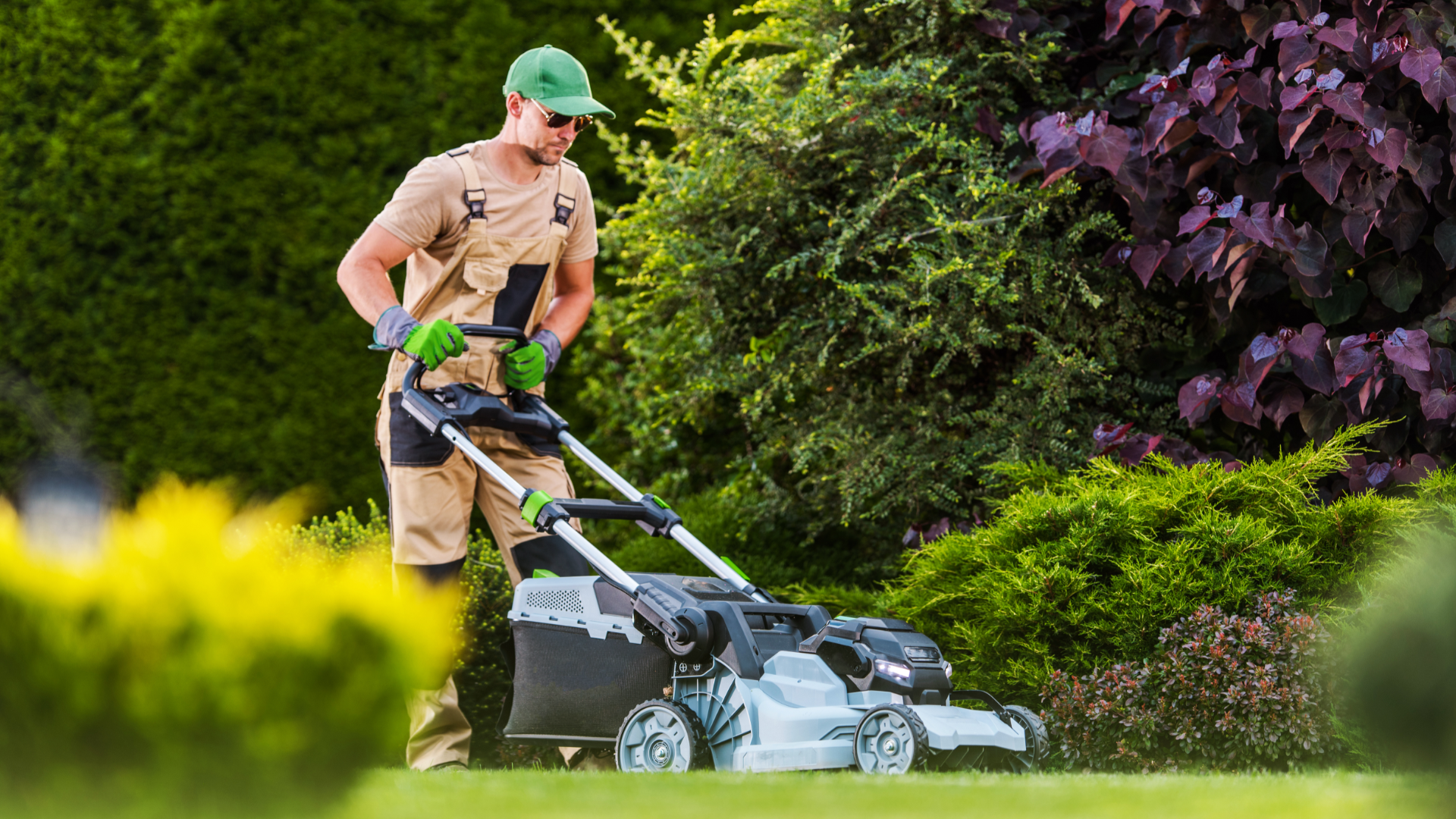
In most cases, no. Wait until the blades are dry: typically 2 to 4 hours after morning dew burns off and about 24 hours after a heavy rain, or until your shoes stay dry when you walk across the lawn. Cutting wet grass tears the blades, clumps clippings, ruts soft soil and makes the mower harder to control.
| Lawn condition | Is it OK to mow? | Typical wait |
|---|---|---|
| Light morning dew | Better to wait | 2 to 4 hours after sunrise |
| Light shower, under a quarter inch | Usually fine once blades dry | 3 to 6 hours with sun and breeze |
| Heavy rain, 1 inch or more | No | About 24 hours, longer in clay soil |
| Standing water or squishy soil | No | Until footprints no longer sink |
| Grass damp but soil firm | Only if you must, with care | Mow high with a sharp blade |
Why is cutting wet grass bad for your lawn?
Grass blades are stiff and upright when dry, so a sharp mower blade slices them cleanly. When they are wet they bend over and stick together, and the blade tends to rip them instead of cutting. Torn tips turn brown within a day or two, which gives the whole lawn a dull, frayed look. Ragged cuts also lose more moisture and open the door to fungal disease.
The main risks at a glance
| Risk | What happens |
|---|---|
| Uneven cut | Bent blades spring back after the mower passes, leaving a patchy, striped finish. |
| Clumped clippings | Wet clippings mat on top of the turf and can smother the grass underneath. |
| Fungus and disease | Wet, torn blades and clumps spread brown patch and other lawn fungus, common in humid Southern summers. |
| Ruts and compaction | Mower wheels sink into soft soil and leave tracks that stay for weeks. |
| Clogged mower deck | Wet grass packs under the deck, stalls the engine and encourages rust. |
| Slips and electrical hazards | Wet slopes are slippery, and corded electric mowers should never run on wet grass. |
How long should you wait to mow after rain?
There is no single number, because drying time depends on how much rain fell, your soil, sun, wind and humidity. A quick shower on a sunny, breezy afternoon can dry off in three hours. A slow soaking rain on clay soil, the kind common around Dallas and Houston, can keep the ground soft for a full day or more. In very humid places like New Orleans, Tampa and Miami, grass can stay damp well into the late morning even without rain.
Simple tests before you start the mower
- The shoe test: walk across the lawn in sneakers. If the tops get wet, wait.
- The hand test: run your palm over the grass. It should feel dry, not cool and slick.
- The footprint test: step down firmly. If water seeps up or your heel sinks, the soil is too soft for mower wheels.
- The clipping test: mow a short strip. If clippings clump and stick to the deck, stop and come back later.
Morning dew is a separate issue from rain. Even on dry days, dew can coat the lawn until 9 or 10 a.m. Mid to late morning is usually the sweet spot, once the dew is gone but before the hottest part of the day. For more on timing, see our guide to the best time to cut grass.
What if you have to cut wet grass?
Sometimes waiting is not realistic. A rainy week in spring can push a Bermuda or St. Augustine lawn well past a healthy height, and letting it grow too tall causes its own damage. If the soil is firm and only the blades are damp, you can mow carefully. Follow these steps to limit the harm.
- Sharpen the blade first. A sharp blade is the single biggest difference between a clean cut and torn grass when it is damp.
- Raise the deck one notch. Taking less off reduces clumping and stress. Never remove more than one third of the blade height.
- Use a gas or battery mower only. Never use a corded electric mower on wet grass.
- Slow down. A slower pace lets the blade cut instead of tearing and helps the deck discharge clippings.
- Side discharge or bag, do not mulch. Mulching wet clippings leaves clumps on the lawn. Bag them or use side discharge and rake clumps afterward.
- Wear shoes with good grip and skip slopes. Leave hills and ditches for a dry day.
- Clean the deck right away. Scrape packed grass from under the mower before it hardens and holds moisture against the metal.
Does grass type change the answer?
All grass suffers from wet mowing, but some types handle it better than others. Warm season grasses grow fast in the humid South and are the ones most likely to get away from you during a wet stretch.
- St. Augustine: thick, wide blades hold water and clump easily. It is also prone to brown patch in humid weather, so drying time matters most here. Common in New Orleans, Houston, Tampa and Miami.
- Bermuda: fine blades dry faster and recover quickly, but it grows aggressively in summer and can need cutting every 5 to 7 days.
- Zoysia: dense and slow growing, so you can usually afford to wait an extra day after rain.
- Tall fescue: a cool season grass that grows fastest in rainy spring and fall, when wet lawns are most common.
Humidity keeps lawns and planting beds damp far longer in the Gulf South, so shade and airflow matter as much as rain. Our guide to courtyard garden maintenance covers keeping damp, shady spaces healthy.
How do you fix a lawn after mowing it wet?
If you already mowed wet grass and the lawn looks rough, most damage is cosmetic and grows out within one or two mowing cycles. A few quick steps help it recover.
- Rake up clumps of clippings within a day so they do not smother the turf.
- Let the lawn dry fully before the next cut, then mow at your normal height with a freshly sharpened blade.
- Fill wheel ruts with a little topsoil or sand once the ground firms up.
- Watch for brown, circular patches over the next two weeks, a sign of fungus that may need treatment.
- Skip watering for a day or two after a wet mow so the lawn can dry out.
When does it make sense to have someone else mow?
Rainy seasons are when lawns get away from homeowners. A home services pro with commercial equipment can plan around the weather, cut at the right height and handle overgrown grass without scalping it. Most homeowners pay typically $35 to $75 per visit for a standard suburban lawn, with larger or overgrown yards costing more. Our lawn mowing cost guide breaks down per visit and monthly pricing in detail.
Storms also bring debris. After a big blow, clear branches and check fences before mowing. If a winter cold snap hit your yard, our post on saving your yard and fence after a freeze covers recovery steps.
See your upfront price and book your lawn care on House Fly. Book lawn care and House Fly handles the rest, with payment held until the job is done.
Frequently asked questions
Is it bad to mow grass with morning dew on it?
Yes, it is better to wait. Dew makes blades bend and stick together, so the mower tears them and clippings clump. Most lawns dry off 2 to 4 hours after sunrise. Mowing mid to late morning gives you dry grass without the strongest afternoon heat, which is easier on you and the lawn.
How long after rain can I cut my grass?
After a light shower, typically 3 to 6 hours of sun and breeze is enough. After a heavy rain of an inch or more, wait about 24 hours, and longer on clay soil. The real test is whether your shoes stay dry and your footprints do not sink when you walk across the lawn.
Can cutting wet grass damage my mower?
It can. Wet clippings pack under the deck, choke the engine and hold moisture against the metal, which speeds up rust. Wet grass also dulls blades faster. If you mow damp grass, clean under the deck right away and check the blade. Never run a corded electric mower on wet grass because of the shock risk.
Is it worse to let grass grow tall or to cut it wet?
Both cause stress, but a lawn that is only slightly damp on firm soil is usually safer to mow carefully than letting it grow far past its normal height. If you wait too long, you end up removing more than one third of the blade, which shocks the grass. Mow high with a sharp blade, then lower it next time.
Should I bag or mulch wet grass clippings?
Bag them or use side discharge. Mulching works well on dry grass, but wet clippings clump into mats that block sunlight and can encourage fungus. If clumps end up on the lawn anyway, rake them up within a day. On your next dry mow, you can go back to mulching to return nutrients to the soil.
