

Tampa Hurricane Shutter Installation Guide
Protect your Tampa home with hurricane shutters before storm season begins. For residents of South Tampa, Carrollwood, and Westshore, shutters are your first defense against destructive winds and debris. Here’s your 2026 installation guide.
Florida building codes have evolved significantly since Hurricane Andrew devastated South Florida in 1992. Modern standards recognize that windows and doors are the most vulnerable points in your home’s envelope. Once breached, wind pressure builds inside, potentially lifting roofs and collapsing walls. Properly installed hurricane shutters prevent this chain of destruction by maintaining the structural integrity of your home’s exterior.
Types of Hurricane Shutters
The hurricane shutter market offers options ranging from basic protection to sophisticated systems that integrate with your home’s architecture. Understanding the choices helps you select the best solution for your budget, aesthetic preferences, and protection needs.
Accordion shutters are permanently attached beside windows and doors, folding away when not needed. They deploy quickly by unfolding across the opening and locking in place. This convenience makes them popular for Tampa homeowners who want protection without storage concerns. They work well for large openings like sliding glass doors and can be operated from inside or outside. Professional installation ensures proper mounting and smooth operation.
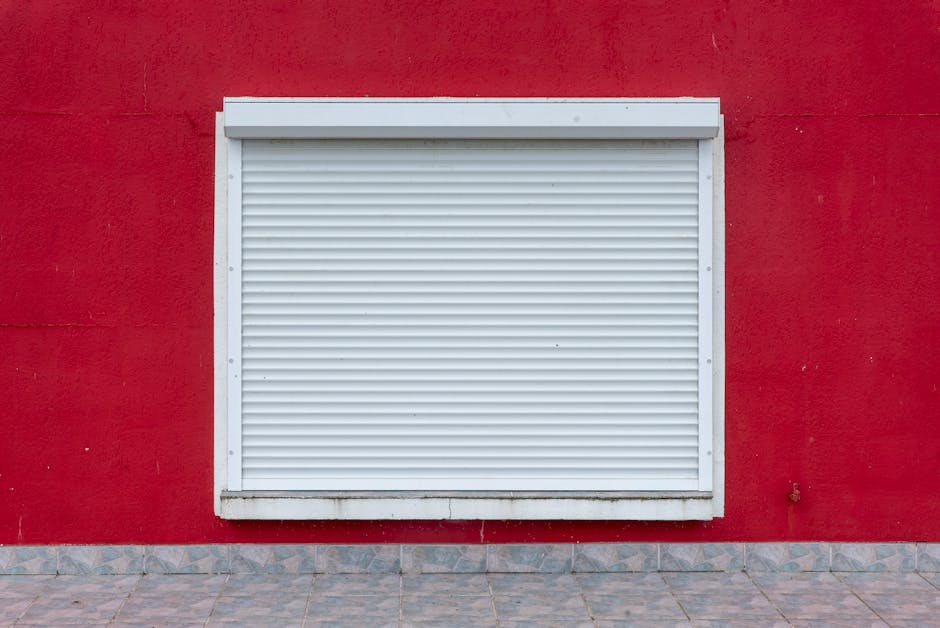
Roll down shutters offer the ultimate in convenience and protection. Housed in boxes above windows and doors, they deploy with electric motors or manual cranks. When not in use, they are completely hidden. Beyond storm protection, they provide security, insulation, and light control. The downside is higher cost and the need for electrical connections for motorized versions. They also require headroom above openings for the housing box.
Colonial and Bahama shutters provide permanent architectural appeal along with storm protection. Colonial shutters hinge on the sides and fold together to cover windows. Bahama shutters hinge at the top, providing shade and privacy when open and storm protection when lowered. Both styles enhance curb appeal while meeting code requirements. However, they require more effort to deploy than accordion or roll down options and may not suit all architectural styles.
Storm panels represent the most economical option. These corrugated metal or polycarbonate panels install over windows and doors using tracks or bolts. They provide excellent protection at low cost but require storage space and significant effort to install. For Tampa homeowners with many openings, the installation time before a storm can be substantial. Clear polycarbonate panels allow light through, reducing the claustrophobic feeling of completely shuttered homes.
Fabric shutters are a newer option made from reinforced synthetic materials. They are lightweight, easy to deploy, and store compactly. While approved by Florida building codes, some homeowners prefer the perceived security of rigid materials. Fabric shutters work well for irregular shapes and large openings where rigid panels would be impractical.
Building Code Requirements and Permits
Florida’s strict building codes govern hurricane protection installation. Compliance is not optional, and proper documentation affects insurance coverage and resale value.
Wind load ratings specify the forces shutters must withstand based on your home’s location and exposure. Coastal areas of South Tampa face higher wind speeds than inland Carrollwood, requiring stronger protection. Products must be tested and labeled with their design pressure ratings. Installing inadequate protection leaves your home vulnerable and may violate code.
Product approvals ensure shutters meet Florida’s stringent standards. The Florida Building Code maintains a list of approved products that have passed impact and pressure testing. Only approved products can be legally installed for hurricane protection. Reputable contractors work exclusively with approved products and provide documentation of compliance.
Permits are required for shutter installation in Tampa and Hillsborough County. The permitting process ensures installations meet structural requirements and are properly anchored. Unpermitted work may not be recognized by insurance companies and can create problems when selling your home. Professional installation services typically handle permitting as part of their service. When you book through House Fly, the trusted local pro sent to your home already knows how the Tampa and Hillsborough County process works, so you are not the one standing in line at the permit counter.
Inspections confirm proper installation before final approval. Building inspectors check anchoring, fasteners, and operation to ensure shutters perform as designed. Failed inspections require corrections and a second inspection, delaying project completion. Working with experienced installers familiar with local requirements minimizes inspection issues.
Installation Considerations
Proper installation is as important as shutter selection. Even the best shutters fail if poorly installed.
Structural attachment points must be adequate for the loads shutters will experience. Installation often requires reinforcing framing, adding blocking, or using specialized anchors. Older Tampa homes may need significant preparation to support modern shutter systems. Assessment of your home’s structure should precede any installation commitment.
Aesthetics matter, especially for permanent shutter installations. Color selection, mounting hardware visibility, and architectural compatibility affect your home’s appearance. Many manufacturers offer custom colors to match or complement your home. Consider how shutters will look both deployed and stored when making selections.
Operation and maintenance requirements vary by shutter type. Motorized systems need periodic testing and occasional motor replacement. Accordion shutters require track cleaning and lubrication. All shutters benefit from annual inspection and maintenance before hurricane season. Understanding these ongoing requirements helps you choose shutters you will actually maintain and deploy when needed.
Emergency egress is a critical safety consideration. Bedrooms must have exit routes that function even with shutters deployed. Some shutter types can be opened from inside; others require external access. Building codes specify egress requirements that your installation must satisfy. Never compromise safety for convenience or cost savings.
Cost Considerations and ROI
Hurricane shutter investments range from a few hundred dollars for basic storm panels to tens of thousands for motorized systems covering the whole house. Understanding costs and returns helps justify the expense.
Upfront costs vary dramatically by shutter type and home size. Storm panels for an average Tampa home might cost $2,000 to $4,000. Accordion shutters typically run $15 to $25 per square foot installed. Roll down shutters cost $25 to $45 per square foot. Colonial and Bahama shutters fall in the middle range. These are significant investments, but they protect assets worth far more.
Insurance discounts offset some costs. Most Florida insurers offer premium reductions for homes with approved hurricane protection. Discounts typically range from 10 to 30% of windstorm premiums, which can amount to hundreds of dollars annually. Documentation of proper installation is required to qualify for these discounts.
Energy savings provide ongoing returns. Many shutter types reduce heat gain when closed, lowering cooling costs. This benefit applies throughout the year, not just during storms. Insulated roll down shutters offer the greatest energy benefits, effectively adding an extra layer of insulation to windows.
Home value increases with proper hurricane protection. In Florida markets, buyers expect and value homes that are ready for a storm. Documented, permitted shutter installations are selling points that differentiate your home from unprotected competition. The investment in shutters often returns fully at resale.
Ready to protect your Tampa home? Tell House Fly what you need and you get a real, upfront price on the spot, with no hidden fees and no surprise charges. Pick the day and time that works for you and book it. House Fly finds the right trusted local pro for the job and sends them out, then handles everything from booking to completion while you relax. Your payment is held until the work is finished, you can chat with your pro any time, and you can cancel for free.
Looking for fence pros in Tampa? House Fly serves homeowners from Davis Islands to Carrollwood.
Tampa Fence and Gate FAQ
How much do hurricane shutters cost in Tampa?
Hurricane shutters in Tampa typically cost $2,000 to $25,000+ depending on type and home size. Storm panels are most affordable at $2,000 to $4,000 for an average home. Accordion shutters run $15 to $25 per square foot. Roll down shutters cost $25 to $45 per square foot but offer maximum convenience. Colonial and Bahama shutters fall in the middle range.
What type of hurricane shutter is best?
The best shutter type depends on your priorities. Roll down shutters offer ultimate convenience and serve more than one purpose. Accordion shutters balance cost and ease of use. Storm panels provide economical protection but require storage and installation time. Colonial and Bahama shutters add architectural appeal. Consider your budget, aesthetic preferences, and willingness to deploy shutters when choosing.
Do hurricane shutters require permits in Tampa?
Yes, Tampa and Hillsborough County require permits for hurricane shutter installation. The permitting process ensures installations meet structural requirements and proper anchoring. Professional installers typically handle permitting. Unpermitted work may not qualify for insurance discounts and can create issues when selling your home.
Will hurricane shutters lower my insurance?
Yes, most Florida insurers offer premium reductions of 10 to 30% on windstorm coverage for homes with approved hurricane protection. Discounts require documentation of proper installation with products approved under the Florida Building Code. The annual savings often amount to hundreds of dollars, helping offset the installation investment over time.
External Resources:
- Florida Division of Emergency Management for hurricane preparedness guidance
- Hillsborough County for local building codes and permitting information
- Florida Building Commission for product approvals and code requirements
